
Without Cheap Batteries A Full Transition To Clean Energy Will Be Tough

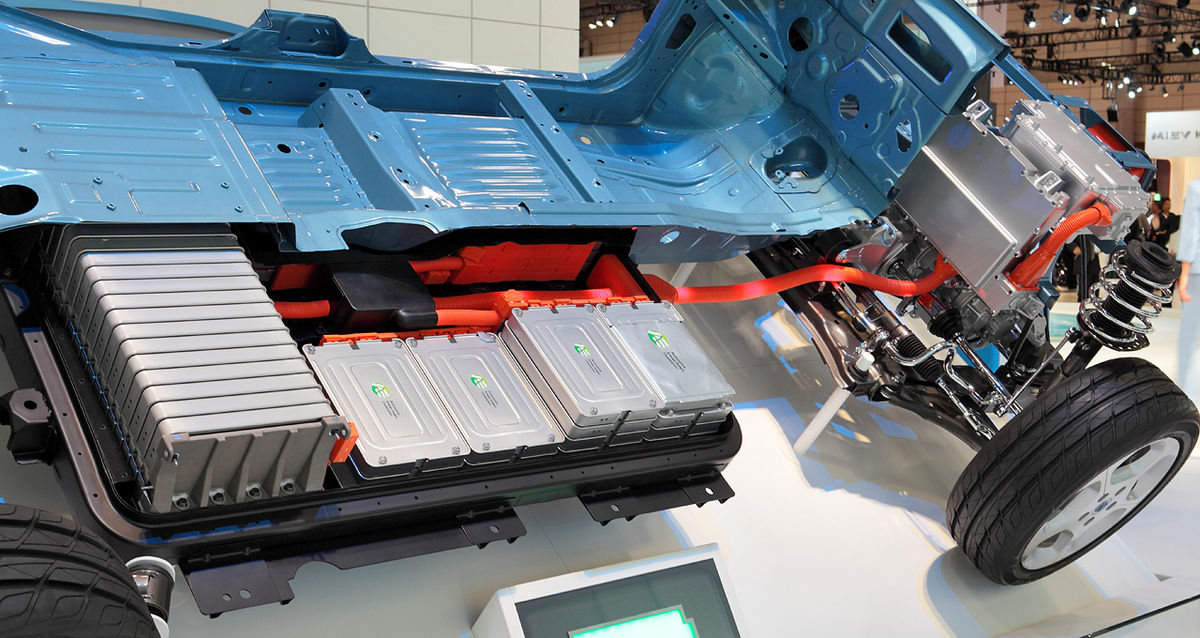
Nissan Leaf Battery

When you think about cheaper batteries and where our modern day Energy Storage Solutions will come from, most might think of a PhD student with his graduate students inventing a new material that enables high energy density battery cells at record low prices.

Instead we are turning to car manufacturers to unlock the – as of today – cheapest way to get large volumes of energy storage into the grid.

We already knew with the rise of EVs – thank you to Tesla for developing the early market – there were opportunities that would arise in recycling the “dead” cells.

However, little did people know that when an EV battery cell is qualified as “unusable” it still maintains 80% of its total capacity. This is a drawback for EVs as it can kill range, but, at a grid scale level – where space isn’t usually an issue – those cells can be used.

With all the major manufacturers joining the party on providing utilities their used cells – including GM and BMW – the space continues to heat up.

Share this post →

DISCOVER CLIMATE STARTUPS & OPPORTUNITIES BEFORE IT HITS THE FRONT PAGE

A weekly newsletter helping climate founders and investors discover undercover climate startups, technologies and opportunities before everyone else. Written by founders, executives and investors with years across the climate-tech space. Subscribe for free today to grow your climate positive impact.

Related posts...

Reforestation’s Crucial Role as a Carbon Sink

Reforestation has started to garner a larger portion of the general public’s attention. Its importance in habitat and wildlife conservation, its key role in supporting rural populations, and the growing need to reforest areas ravaged by wildfires are all strong motivators.

Read now âžś

Biomass-Based Carbon Removal

Here, we’ll focus on biomass-based carbon removal. On a basic level, this means that biomass, typically waste biomass, is converted through some process into a more stable form.

Read now âžś

Everyone Should Understand The Carbon Cycle

Measuring carbon levels is important because it is our planet’s natural thermometer. Earth’s atmosphere regulates temperature and will respond to extreme imbalances much like how the human body does once it reaches an internal temperature of around 104°F (40°C): the major organs that give us life will begin to break down.

Read now âžś