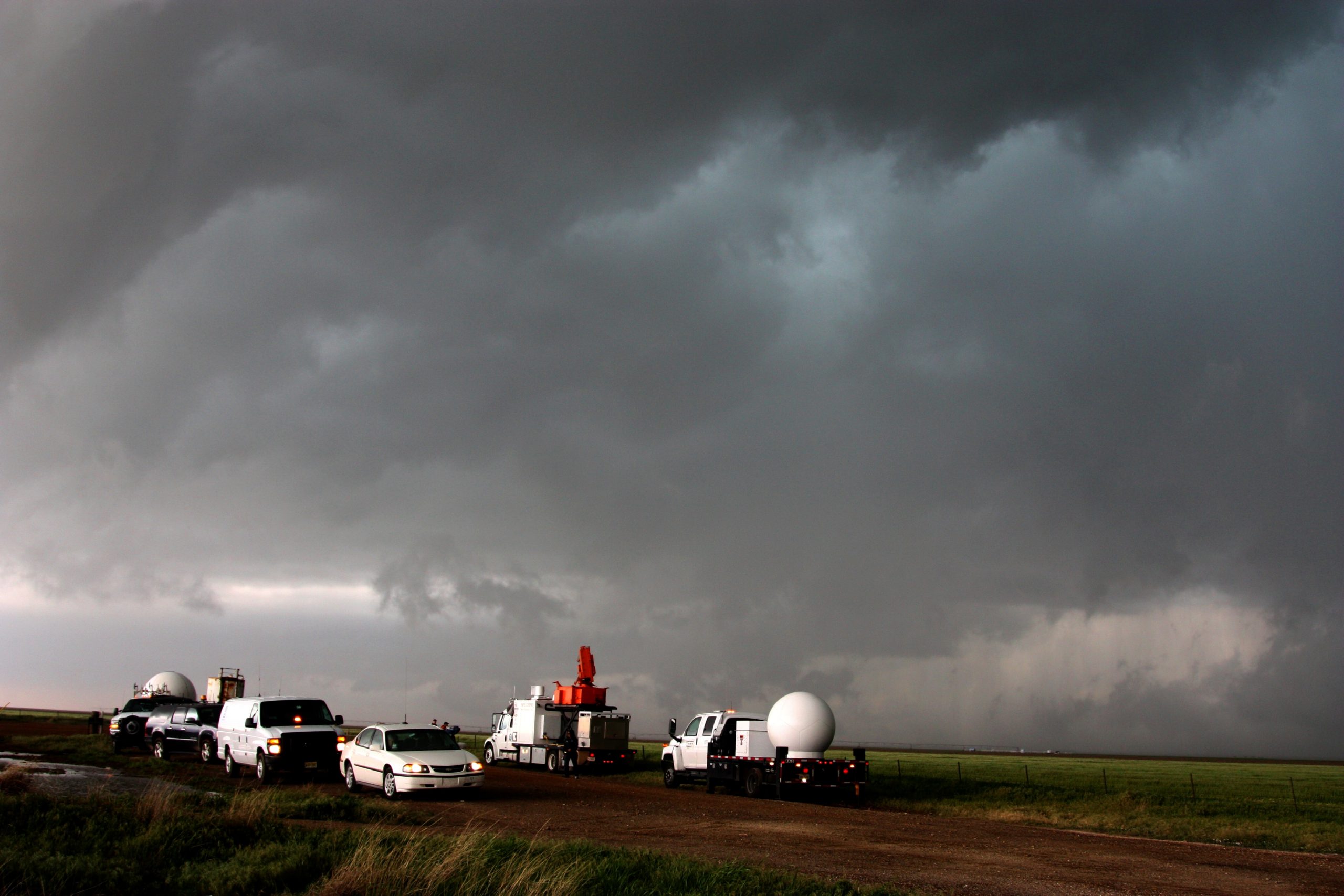
Predicting climate disasters in advance is needed more than ever. As floods in the East and fires in West take communities by storm, it is becoming increasingly more difficult and costly to endure and battle catastrophic climate events:
2021 in Progress…
In 2021 (as of July 9), there have been eight weather/climate disaster events with losses exceeding $1 billion each to affect the United States. These events included one drought event, two flooding events, four severe storm events, and one winter storm event. Overall, these events resulted in the deaths of 331 people and had significant economic effects on the areas impacted. The 1980–2020 annual average is 7.1 events (CPI-adjusted); the annual average for the most recent 5 years (2016–2020) is 16.2 events (CPI-adjusted).
Enter Climformatics:
Climformatics’ A.I. (recently accepted into Valley Ventures Cohort 6) is used to accurately forecast climate for specific geographic locations up to two years in advance. Their Climformatics’ insights could help farmers, insurers, businesses, and organizations make better strategic decisions on how to use their assets well in advance of catastrophic climate events such as heatwaves, droughts, and flooding. The improved decision-making could help us not only be more economically efficient but also help us better mitigate carbon, e.g. strategically deploying solutions to an area such as a power grid that would be hit by a catastrophic climate event and preparing solutions for it that minimize carbon contributions.
Dr. Bhattacharyya and Dr. Ivanova are women founders of Climformatics. They worked together at Lawrence Livermore National Lab (LLNL) and built their expertise in climate modeling working at the LLNL Program for Climate Model Diagnostics and Inter-comparison (PCMDI) and contributed to the IPCC climate change reports.
How Climformatics Works:
Climformatics’ climate-forecasting AI has been tested in nearly 20% of California’s zip codes over a number of years and the results showed over 70% accuracy. High and low temperatures as well as the amount of rainfall are well within their ‘longer-term’ climate predictions. Imagine having the accuracy of the two-week weather forecasts we currently rely on but instead have reliable forecasts of climate events to specific locations so far in advance.
Market Need:
The founders are positioning Climformatics to help farmers make better strategic decisions that result in improved food security, increased profitability, and improved management of climate catastrophes. However, other applications relating to insurance, water management, and public safety, for example, could also prove to be valuable markets.
Utility players are exposed to climate risk and they could use Climformatics’ predictions to mitigate wildfires, model power-load generation, and estimate hydroelectric generation. Water agencies could predict freshwater from precipitation and snowmelt. (We could definitely use that in the Western U.S.) Large retailers could know when to ship more products for areas hit by a heatwave and they could better lay out logistics in an area that would be hit by floods. Insurance companies could use insights on wildfires to incentivize homeowners to retrofit homes to get discounts on premiums.
The founders will continue to work with the nonprofit Arctic Ice Project to provide modeling efforts on saving and restoring the Arctic sea ice. Climformatics is a collaborating member of the United Nations’ Disaster Risk Resilience ARISE-US.
Future Outlook:
Investor interest in climate-forecasting A.I. technologies is increasing with a recent $12M Series A round for ClimateAI and evidenced by Moody’s acquiring disaster-risk modeling company RMS for $2B. Reinsurance companies are working to develop modeling systems to help financially back-fire insurance commitments from insurance companies as they become increasingly exposed to the financial burdens of more frequent climate catastrophes.
Climformatics has been approached by interested parties including a firm from Japan with offices in Washington, D.C., an investment bank in Hong Kong, as well as investors from Florida, Hawaii, and Illinois. Since women founders received less than three percent of the funds from venture capitalists (VCs) in 2019, perhaps Drs. Bhattacharyya and Ivanova can not only help farmers, businesses, and organizations make better strategic decisions with climate forecasts over one year out, they can also improve the investment trends for ventures led by women.
About The Author

Jeff Macon is the venture development manager at Fresno State’s Water, Energy, and Technology (WET) Center where he supports the technology commercialization and business development of ventures providing solutions to Californians and communities beyond.